
PERSONALIZED CARE & TREATMENT OPTIONS
Your primary care physician is your caretaker: He or she provides all of your routine screening and treatment needs while keeping tabs on any outside specialist care you may have. Piñero Preventive Medical Care is truly your go-to practice for all of your medical concerns. The expert family practice providers are accepting new patients who need primary care physicians in the Orlando, Florida, area.
If you’re in overall good health, you may only see your primary care physician once a year for a physical exam. These exams, offered at Piñero Preventive Medical Care, are important for staying on top of your health. Plus, you’ll have a doctor to call if you ever have an urgent medical need or your situation requires more routine care.
The staff is available to take your call during office hours, although you can also schedule your physical exam through the convenient online booking system.
Prostate Exams
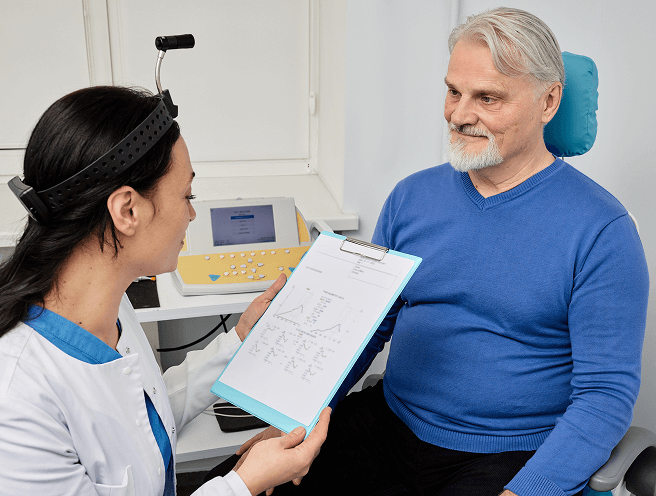
A prostate exam can help your doctor diagnose an enlarged or inflamed prostate. It can also help them diagnose prostate cancer, which is the second most common form of cancer among American men.
Screening involves looking for early signs of a disease in people who do not have any symptoms. The exam typically involves a digital rectal exam (DRE) and a test for prostate-specific antigen (PSA) levels.
Starting at age 50, all men should discuss prostate cancer screening with their doctor. The American Cancer Society (ACS) advises men at higher risk to have this conversation at age 45.
Testosterone Therapy
Testosterone replacement therapy (TRT) is a widely used treatment for men with symptomatic hypogonadism. The benefits seen with TRT, such as increased libido and energy level, beneficial effects on bone density, strength and muscle as well as cardioprotective effects, have been well-documented.

Erectile Dysfunction Treatment
Having erection trouble from time to time isn’t necessarily a cause for concern. If erectile dysfunction is an ongoing issue, however, it can cause stress, affect your self-confidence and contribute to relationship problems. Problems getting or keeping an erection can also be a sign of an underlying health condition that needs treatment and a risk factor for heart disease.
STI/STD Prevention and Treatments
If you are sexually active, getting regularly tested for STIs/STDs is an important part of your overall health. Many STIs/STDs don’t cause any symptoms so getting tested is the only way to know. All STIs/STDs are treatable and many are curable. Screening, diagnosis, and treatment for most sexually transmitted infections STIs/STDs is available, including HIV testing and counseling.
PrEP Treatment
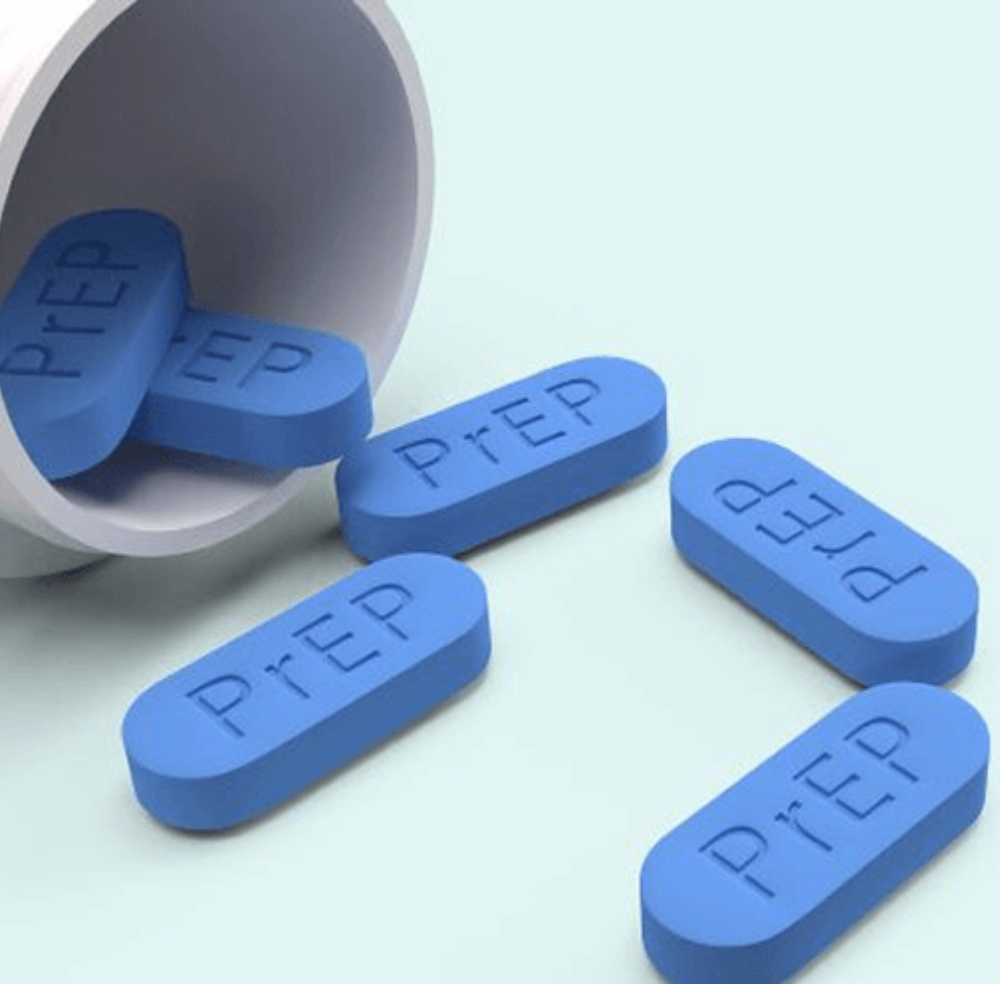
PrEP (Pre-Exposure Prophylaxis) is a safe and highly effective HIV prevention medication for sexually active individuals, including cisgender men and women, transgender, and non-binary individuals. Studies show that PrEP can reduce the risk of HIV transmission by over 99% when taken as prescribed.
PrEP is not only indicated for individuals at higher risk of HIV exposure, but also for those seeking proactive protection as part of a comprehensive sexual health and preventive care strategy. This includes individuals with multiple partners, inconsistent condom use, recent sexually transmitted infections, partners of unknown HIV status, or those living in areas with higher HIV prevalence.
Individuals who use intravenous drugs or share needles may also be at increased risk for HIV. Clinical studies have shown that PrEP can significantly reduce this risk when used appropriately as part of a comprehensive prevention plan.
Our office offers confidential consultations with experienced providers who will help determine the most appropriate PrEP option and assist with enrollment in patient assistance programs when eligible.
Men’s Health Q&A
Your physical exam is tailored to you, your health, and your concerns. During your physical, your provider will likely:
- Evaluate your overall wellness
- Check your pulse and blood pressure
- Order blood or lab work
- Screen you for sexually transmitted diseases
- Vasectomy consultation
- Talk to you about fertility (if needed)
- Perform a prostate exam
- Feel your lymph nodes
- Vaccinations (if needed)
Having low testosterone can happen for a variety of reasons. Because symptoms often develop over time, you might not be aware of your low testosterone until you have your hormone levels checked. Low testosterone can be caused by:
- Genetics
- Age
- Thyroid issues
- Viral infections
- Diabetes
- Obesity
- Alcoholism or drug use
- Physical injury to your testes
Having low testosterone levels can impact just about everything in your body. Once your doctor identifies that you have low testosterone, he or she will most likely recommend a testosterone replacement plan right away. Testosterone therapy can help:
- Get rid of issues with erectile dysfunction
- Stabilize your moods
- Build muscle mass
- Boost your libido
- Improve your sleep
Yes. Talk with your practitioner about your concerns. He or she can find just the right treatment for you after screening you for health issues. For instance, if your erectile dysfunction is caused by low testosterone, upping your testosterone levels might be the perfect solution. Otherwise, it’s possible to treat erectile dysfunction with:
- Prescription medications
- Self injections
- Suppositories
- Penis pumps
- Penile implants
Your doctor will also talk with you about your stress level and how often you exercise. Since high stress and lack of physical activity can magnify erectile dysfunction problems, you might need to resolve these issues before trying anything else.
Patient Testimonials